Mount Kilimanjaro Trekking Guide
Mount Kilimanjaro – The Roof of Africa
Tanzania is home to the legendary Mount Kilimanjaro (5,895 meters / 19,341 feet), famously known as the "Roof of Africa." It is the highest mountain on the African continent and the world’s tallest free-standing mountain peak, rising dramatically from the surrounding plains of northern Tanzania.
Reaching Uhuru Peak does not require technical mountaineering skills, ropes, or specialized climbing gear. With good physical fitness, proper acclimatization, a supportive crew, and strong mental determination, adventurous travelers from all walks of life can successfully conquer the summit.
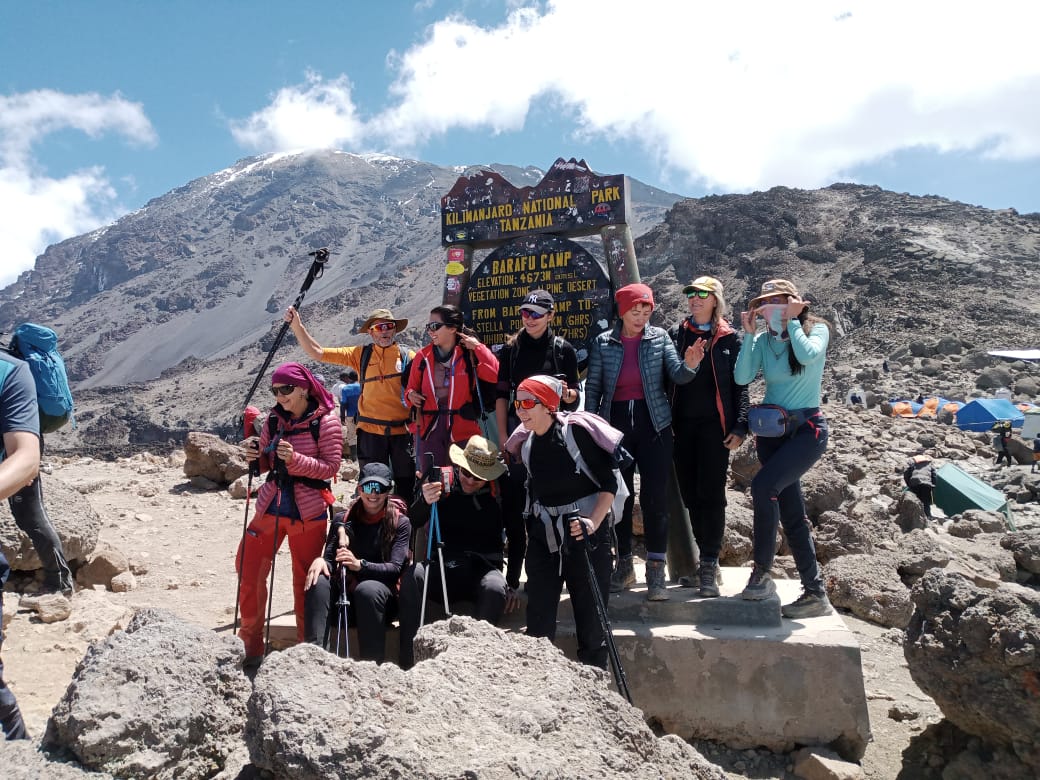
A Unique Journey Through Five Climatic Zones
Trekking Mount Kilimanjaro is often compared to traveling from the Equator to the North Pole in just a few days. Climbers begin their trek in tropical rainforests before progressing through heathland, high moorlands, alpine desert, and finally into the glacial Arctic summit zone. This breathtaking environmental transition makes Kilimanjaro one of the most ecologically diverse treks in the world.
Mount Kilimanjaro Climbing Routes Overview
Mount Kilimanjaro offers seven main official ascent routes, each approaching the peak from different directions and featuring distinct landscapes, difficulty levels, accommodation options, and acclimatization profiles. Selecting the right route is essential to maximizing both safety and your chances of successfully reaching Uhuru Peak.
| Route | Duration | Approach | Accommodation | Acclimatization | Difficulty | Summit Success |
|---|---|---|---|---|---|---|
| Lemosho | 7 – 8 Days | West | Camping | Excellent | Moderate | 90% – 95% |
| Machame | 6 – 7 Days | South-West | Camping | Very Good | Moderate / Hard | 85% – 90% |
| Northern Circuit | 9 – 10 Days | West & North | Camping | Best on Mountain | Moderate | 95%+ |
| Marangu | 5 – 6 Days | South-East | Wooden Huts | Fair / Moderate | Moderate | 50% – 65% |
| Rongai | 6 – 7 Days | North | Camping | Good | Moderate | 80% – 85% |
| Shira | 6 – 7 Days | West | Camping | Moderate | Moderate / Hard | 80% – 85% |
| Umbwe | 6 – 7 Days | South | Camping | Poor | Very Strenuous | 60% – 70% |
1. Lemosho Route – Most Scenic & Balanced
Widely considered the best all-around trail on Kilimanjaro, Lemosho approaches from the pristine western glades. It provides dramatic early views across the Shira Plateau before joining the main southern circuit near Barranco. Its gradual elevation gains and "climb high, sleep low" structure deliver outstanding natural acclimatization and high summit success rates.
2. Machame Route – The "Whiskey Route"
Machame is the most popular route on the mountain. Famed for its breathtaking scenery—ranging from dense cloud forest to the iconic Barranco Wall scramble—it offers a strong acclimatization profile when completed over 7 days. It is ideal for physically fit trekkers looking for a classic camping adventure.
3. Northern Circuit Route – The Ultimate Grand Tour
As the newest and longest official path, the Northern Circuit traverses the quiet, remote northern slopes of Mount Kibo. Because it stretches over 9 to 10 days, trekkers enjoy unparalleled 360-degree views, virtually no crowds, and the highest overall summit success rate of any route.
4. Marangu Route – The "Coca-Cola Route"
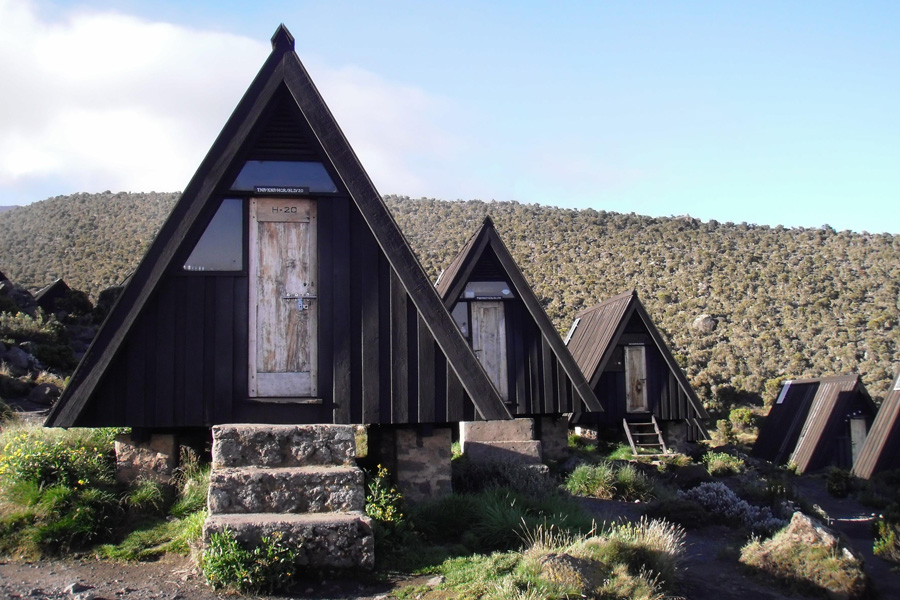
Marangu is the classic trail and the only route providing communal wooden sleeping huts rather than tents. It is the same path for both ascent and descent. While often perceived as the easiest route due to its gentle incline, shorter 5-day itineraries often lead to lower summit success rates due to rapid altitude gain.
5. Rongai Route – The Remote Northern Approach
Approaching from the north near the Kenyan border, Rongai is the driest path on Kilimanjaro, making it a great option during shoulder or rainy seasons. It features gentler slopes, lower crowd numbers, and unique views of the rugged Mawenzi peak.
6. Shira Route – The High-Altitude Western Trail
Similar to Lemosho, Shira approaches from the west but starts at a much higher initial vehicle drop-off altitude (3,600m+). It is suitable for trekkers who are already pre-acclimatized or are confident in their body's high-altitude performance.
7. Umbwe Route – The Direct Physical Challenge
Umbwe is the steepest, shortest, and most strenuous ascent route on Mount Kilimanjaro. With rapid elevation gains and sharp ridge climbs, it is strictly recommended for highly experienced endurance hikers seeking a demanding physical challenge.
Note on Mweka Route: The Mweka trail is strictly utilized as a dedicated descent route for climbers ascending via Lemosho, Machame, Northern Circuit, Shira, and Umbwe.
Understanding Altitude Sickness & Prevention
- Headaches, lightheadedness, or mild dizziness
- Nausea, loss of appetite, or vomiting
- Shortness of breath during exertion
- Fatigue and difficulty sleeping
Severe conditions such as High Altitude Pulmonary Edema (HAPE) or Cerebral Edema (HACE) require immediate descent to lower elevations.
- Pole Pole (Go Slowly): Maintain a comfortable, slow pace throughout the climb.
- Stay Hydrated: Drink 3 to 4 liters of water daily.
- Climb High, Sleep Low: Ascend to higher elevations during day treks and return lower to sleep.
- Choose Longer Routes: Opt for 7 to 9-day routes to grant your body extra adjustment time.
Mount Kilimanjaro Gear & Equipment List
Proper gear ensures safety and comfort. Essential equipment can be brought from home or hired locally through Trekking Marshals Adventure.
Layered Clothing
- Waterproof & Windproof Jacket/Pants
- Insulated Down Jacket
- Fleece / Softshell Jackets
- Moisture-wicking Thermal Base Layers
Footwear & Accessories
- Broken-in Waterproof Hiking Boots
- Thermal & Moisture-wicking Socks
- Trekking Poles & Gaiters
- Warm Gloves & Sun Hat / Beanie
Sleeping & Hardware
- 4-Season Sleeping Bag (-10°C / 14°F rated)
- Headlamp with Extra Batteries
- 30L-35L Daypack with Rain Cover
- 80L-90L Duffel Bag for Porters
Hydration & Personal Care
- Water Bottles / Hydration Bladders
- UV Protection Sunglasses (Category 3 or 4)
- Sunscreen & Lip Balm (SPF 50+)
- Personal First Aid Kit & Medications
Featured Trekking Routes
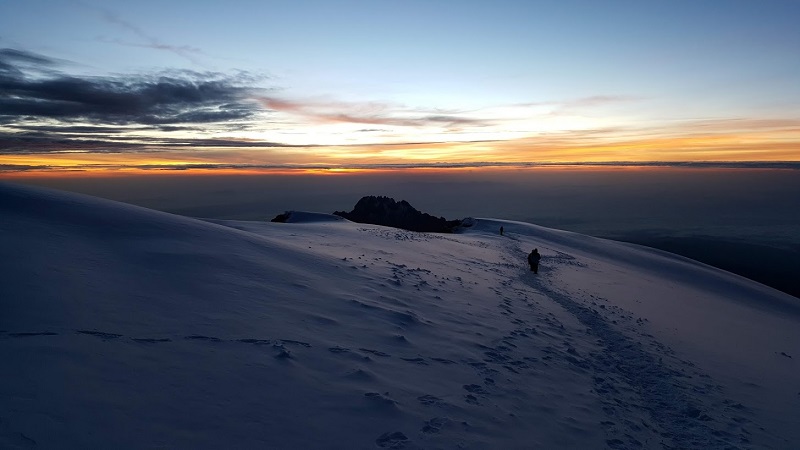
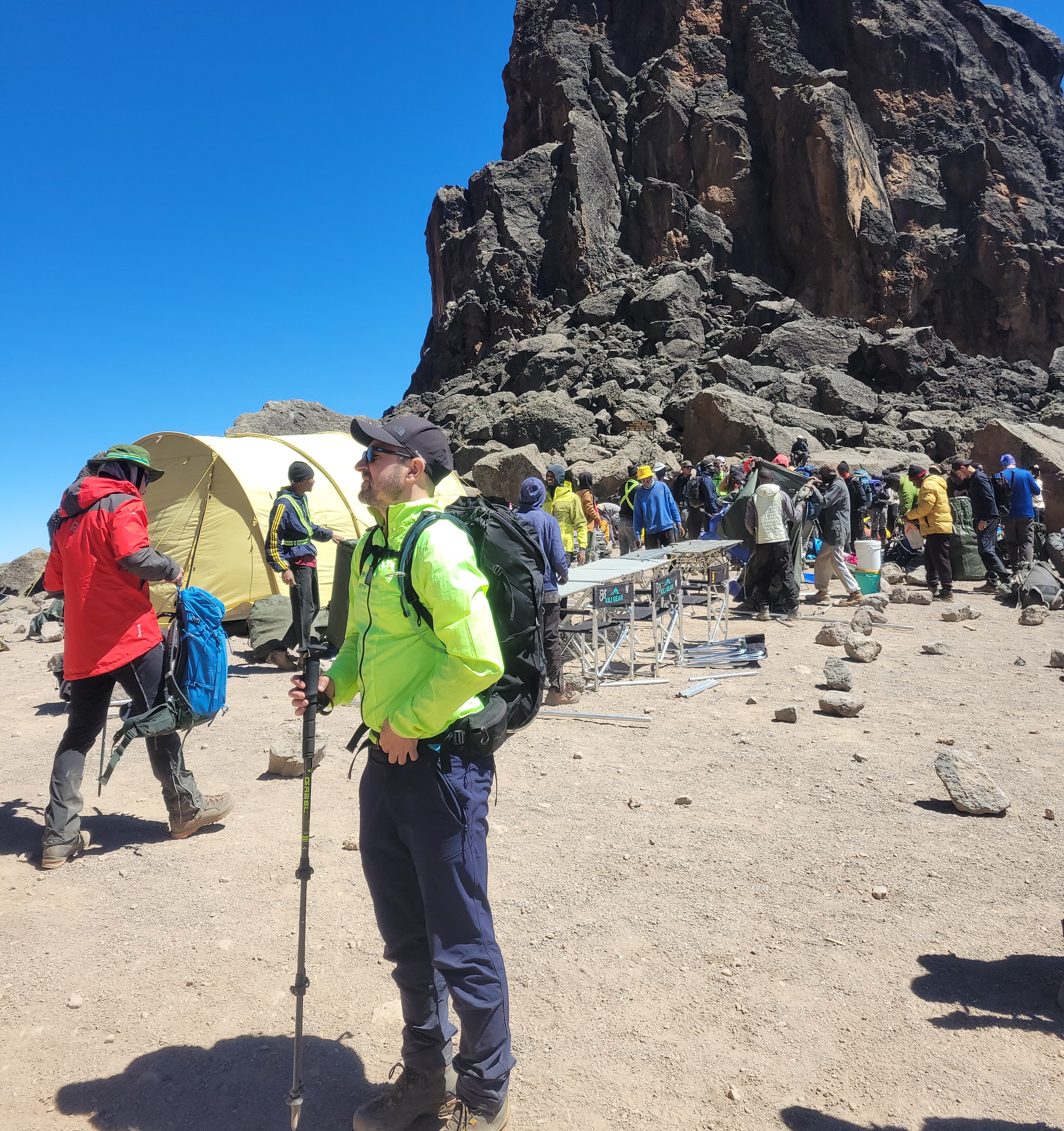
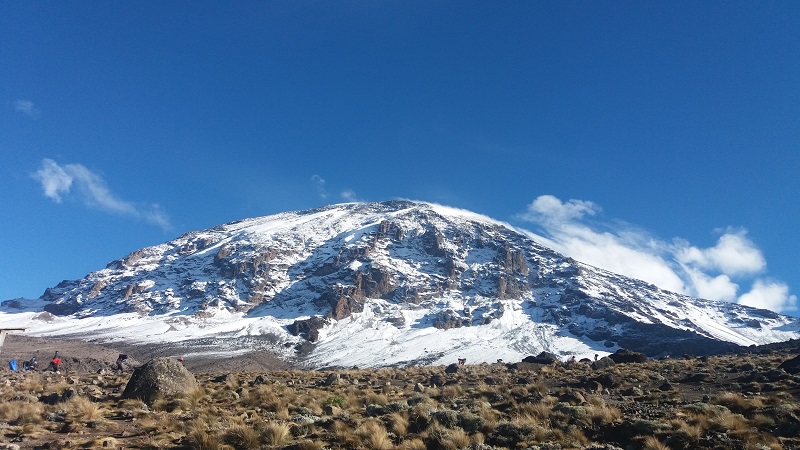
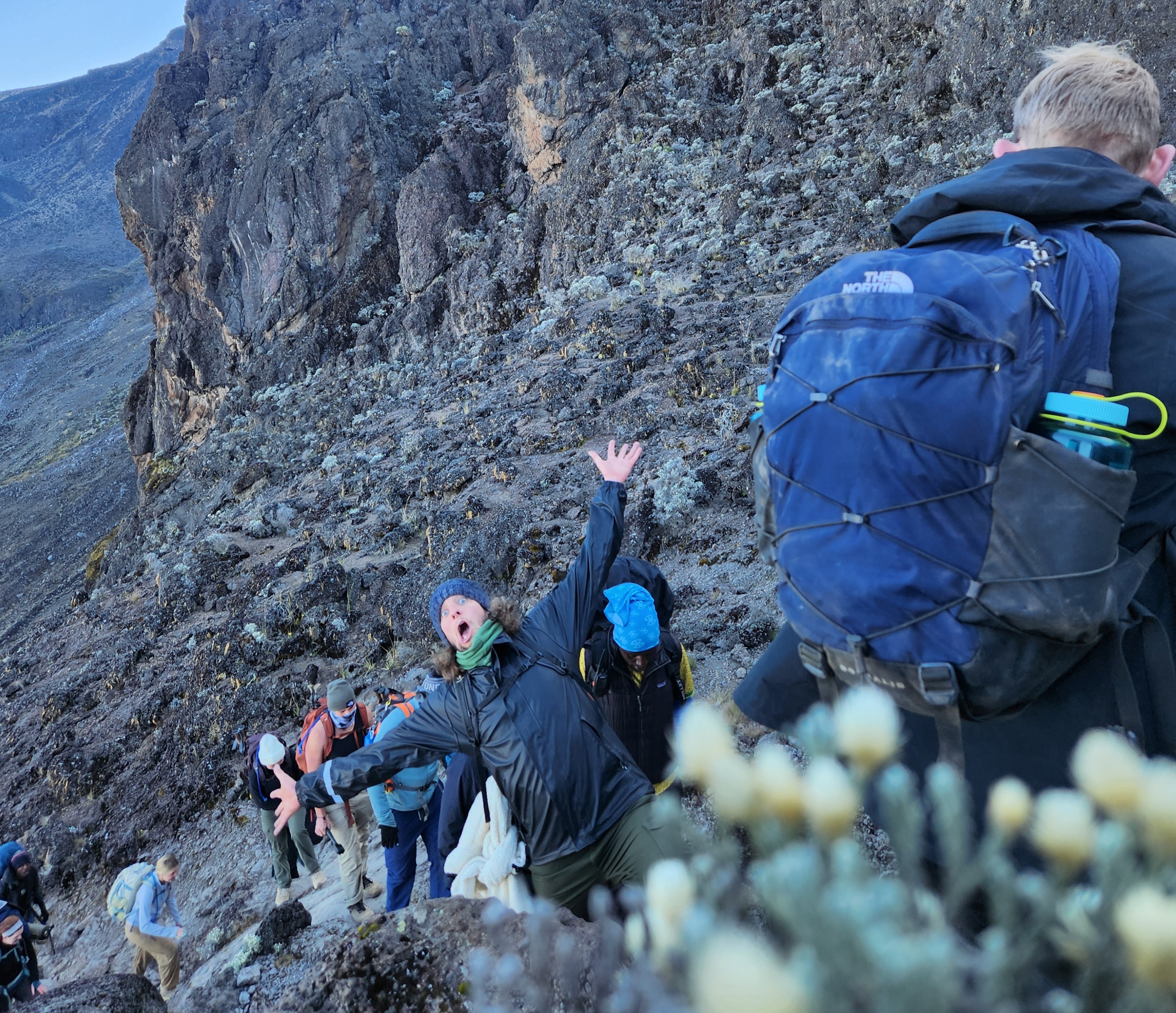
Northern Circuit Route
The longest trail, offering 360-degree views and maximum acclimatization.
View More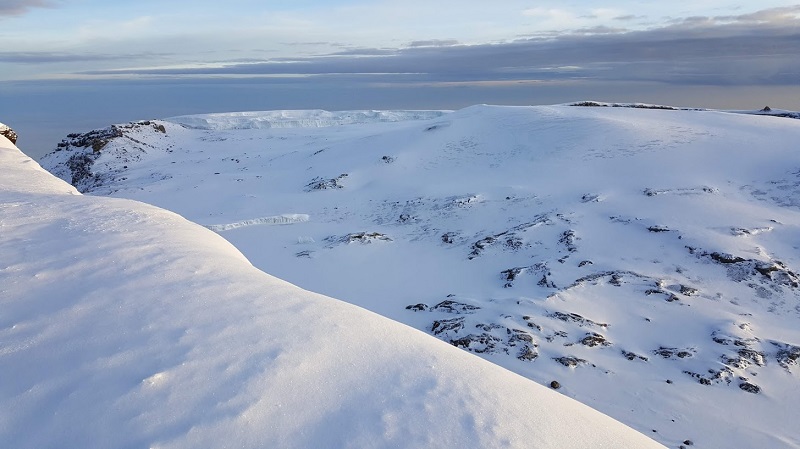
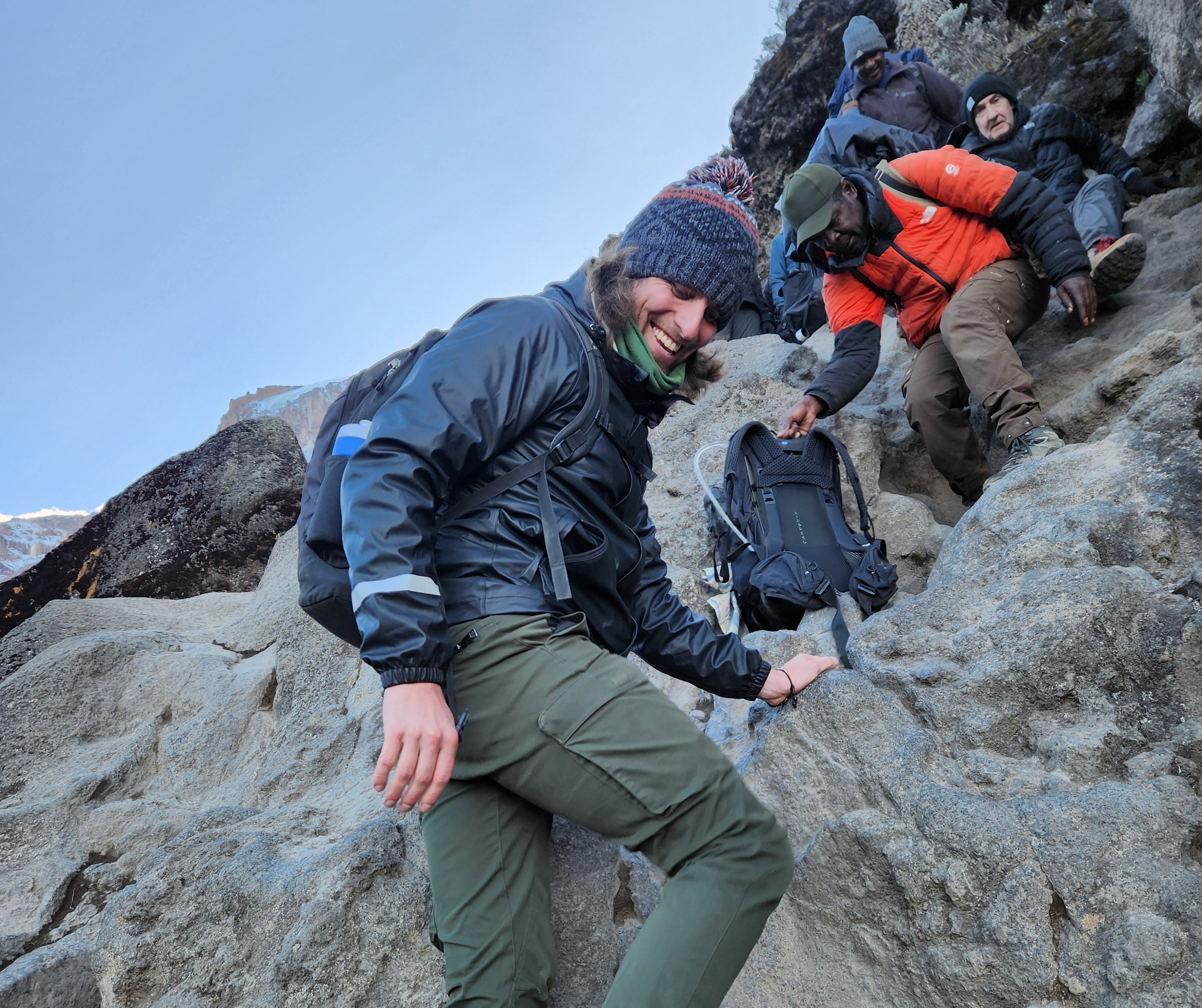
Mweka Route (Descent Only)
Dedicated descent path for Southern and Western routes.
Popular Kilimanjaro Trekking Packages
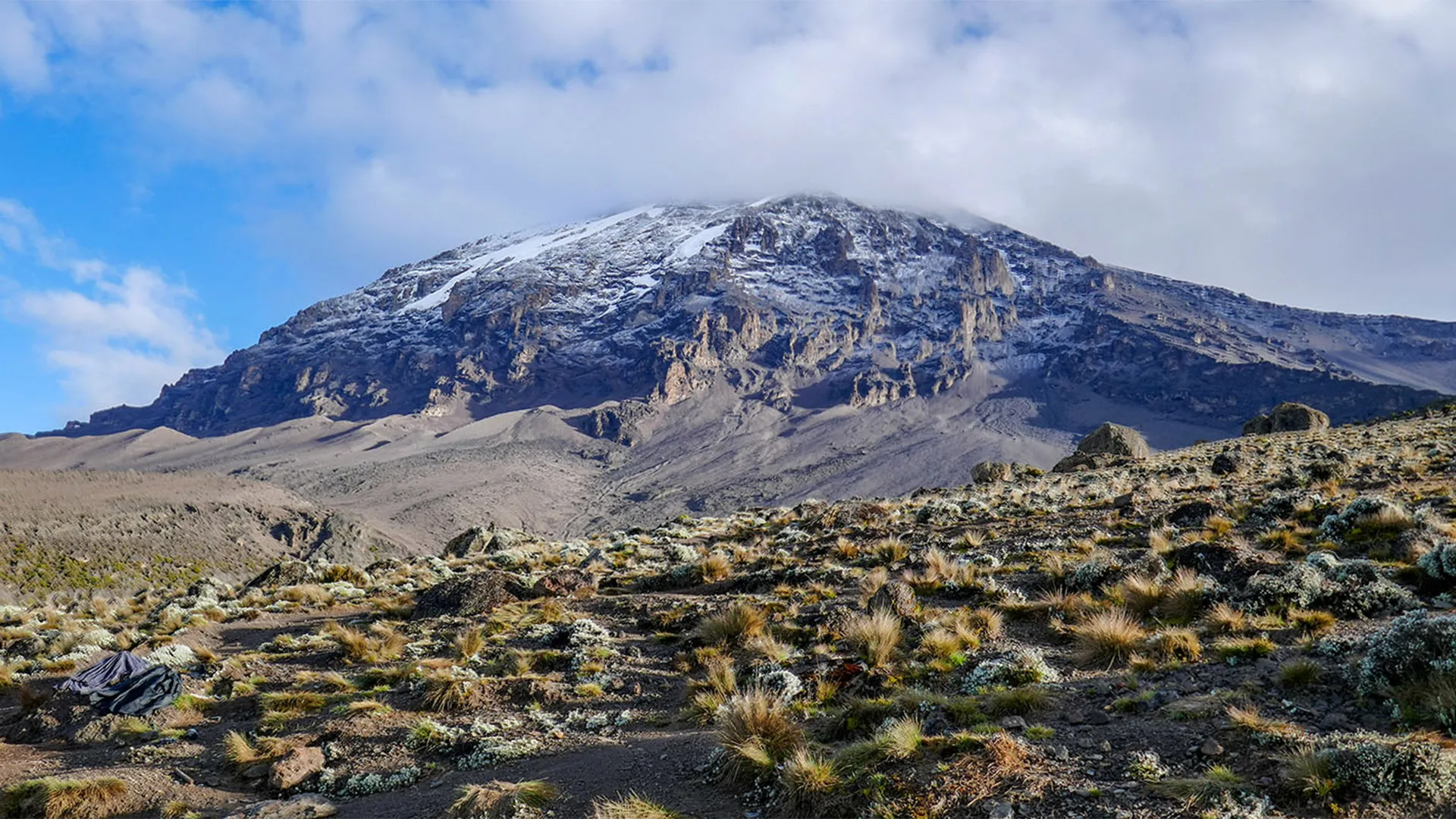
8-Days Lemosho Route
$1,950
Maximum acclimatization with high summit success rates.
View Package Details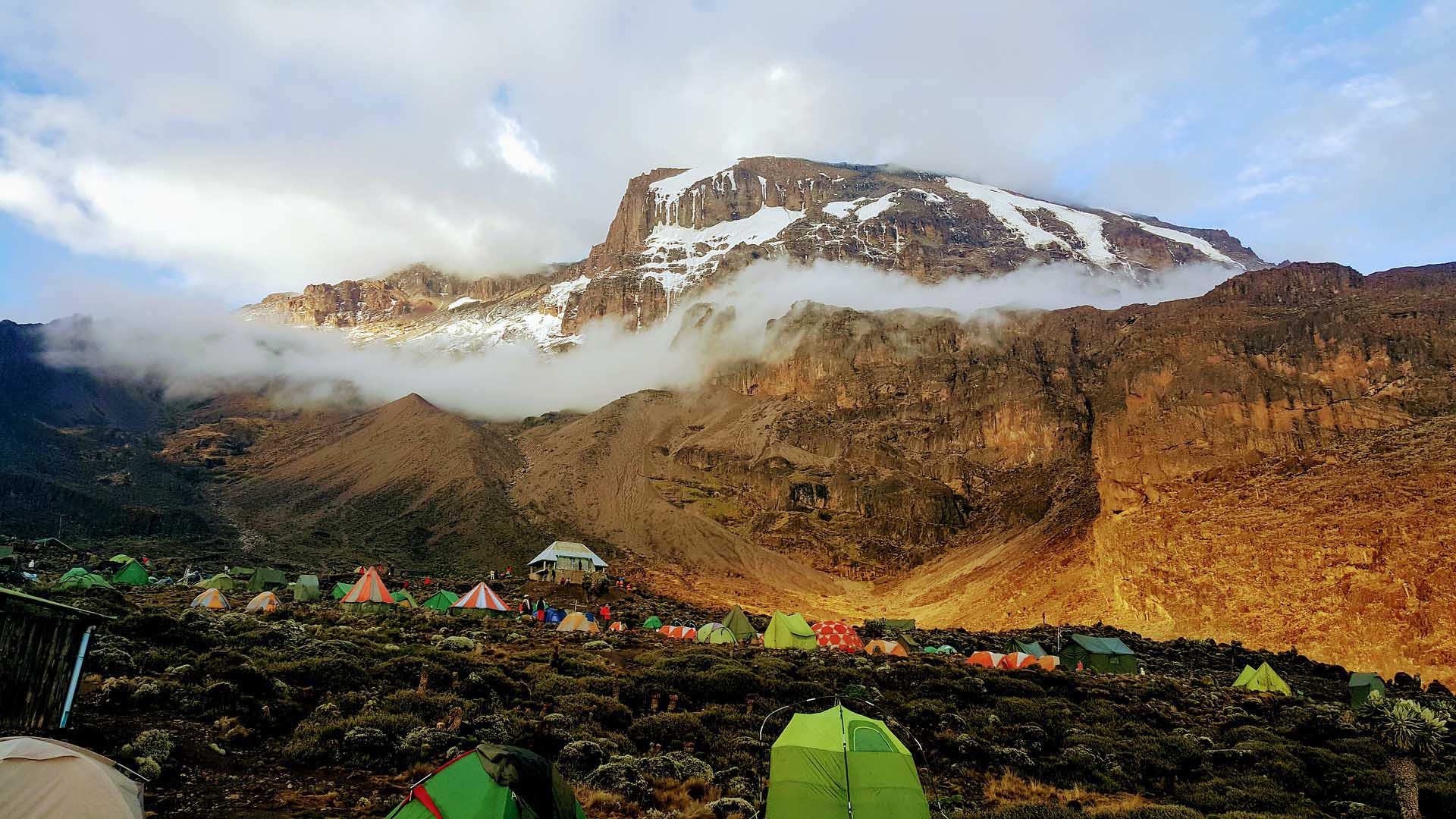
7-Days Machame Route
$1,700
Popular scenery-packed climb through varied landscapes.
View Package Details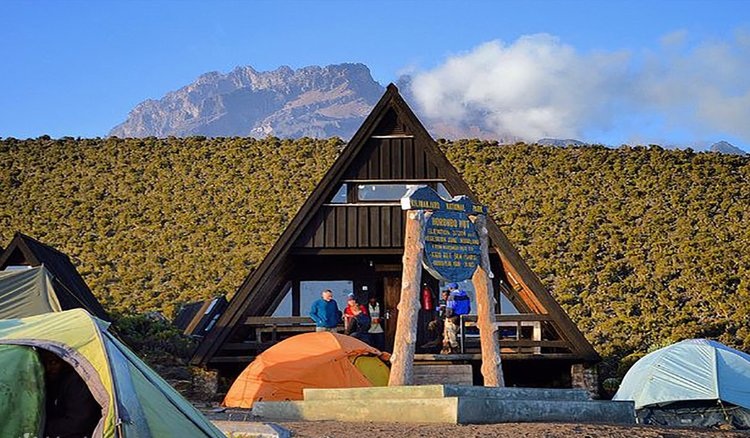
5-Days Marangu Route
$1,200
Comfortable sleeping hut accommodations along the trail.
View Package Details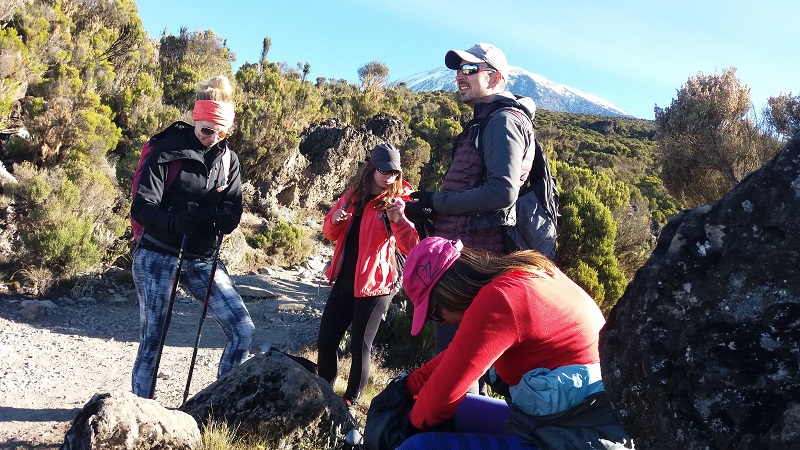
7-Days Rongai Route
$1,700
Quiet northern approach with gentle slopes and scenic wilderness.
View Package Details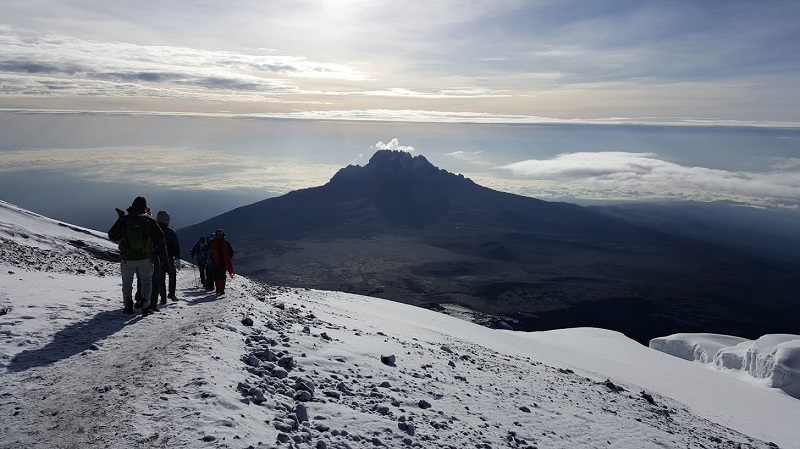
6-Days Shira Route
$1,450
High-altitude start across the stunning Shira Plateau.
View Package Details
9-Days Northern Circuit
$2,350
The grand tour of Kilimanjaro with unmatched 360-degree views.
View Package Details